Rail Schedules Drive Unexpected Changes in Racetrack Attendance Across Regions
Mara Günther · Nov 13, 2026
Rail Schedules Drive Unexpected Changes in Racetrack Attendance Across Regions
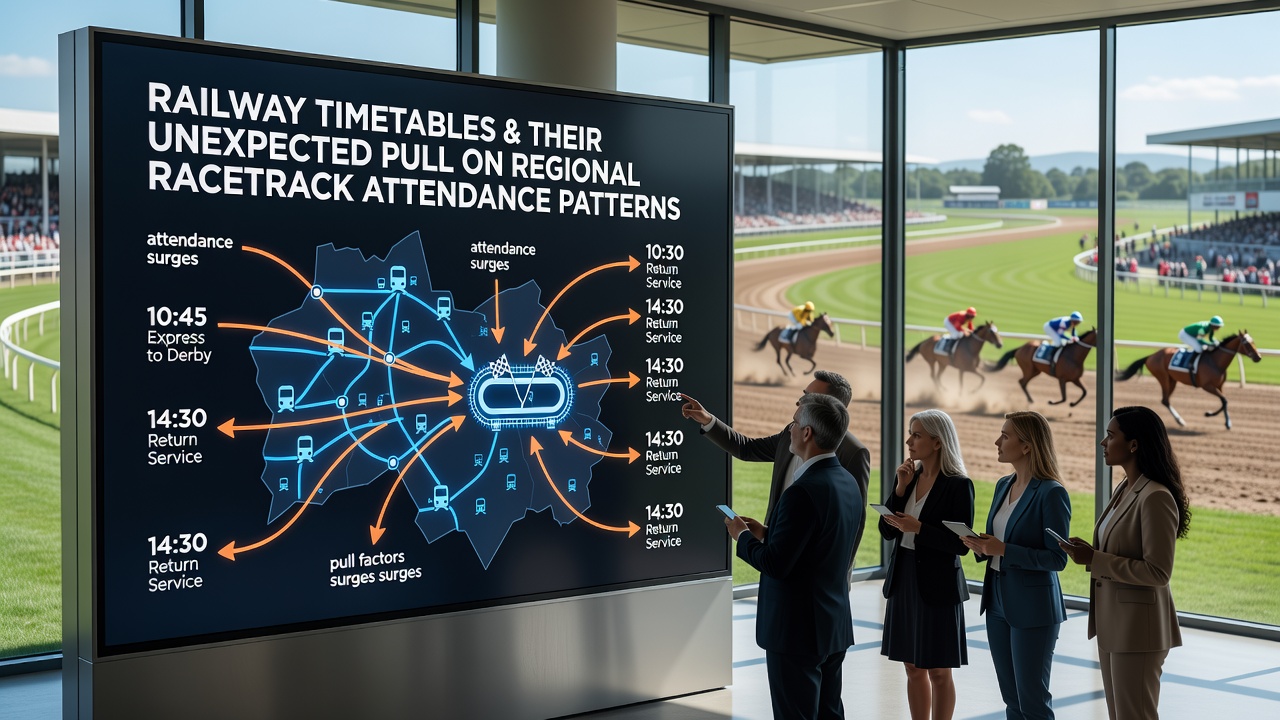
Regional racetracks have long depended on transportation networks to bring in spectators, yet railway timetables create measurable shifts in daily and weekly attendance figures that extend beyond simple convenience factors. Data collected from multiple venues shows that adjustments to train frequencies, arrival times, and connection points correlate directly with fluctuations in gate entries, particularly in areas where road access remains limited or costly.
Historical Patterns in Rail and Venue Access
Observers tracking attendance records note that racetracks built near established rail lines experienced steadier visitor flows during periods when service remained consistent, while timetable reductions often preceded drops in turnout by several percentage points. Studies from transportation departments in North America and Australia reveal that venues within five kilometers of active stations draw higher proportions of out-of-town attendees compared with those reliant solely on highways or local buses.
One analysis covering facilities in the Midwest and along the eastern seaboard found that a 15 percent increase in daily train stops during peak racing months produced corresponding rises in weekend admissions. Conversely, service cuts implemented for maintenance or budget reasons coincided with attendance declines that persisted until alternative routes stabilized.
Regional Data and Timetable Adjustments
Figures compiled through 2025 and into November 2026 indicate that racetracks in the Great Lakes region registered attendance increases of up to 12 percent on days when commuter trains aligned with first-post times. Similar patterns emerged in parts of Queensland and Victoria, where expanded weekend rail options supported higher mid-week crowds at select country tracks. Transport records show these gains concentrated among visitors traveling from distances between 50 and 150 kilometers, groups less inclined to drive when fuel prices or parking constraints apply.
Researchers examining ticket sales alongside rail usage statistics observed that synchronized schedules reduced no-show rates among advance purchasers. When evening trains departed within 30 minutes of final race conclusions, repeat attendance rose measurably in the following months, according to venue operators who cross-referenced entry logs with passenger manifests.
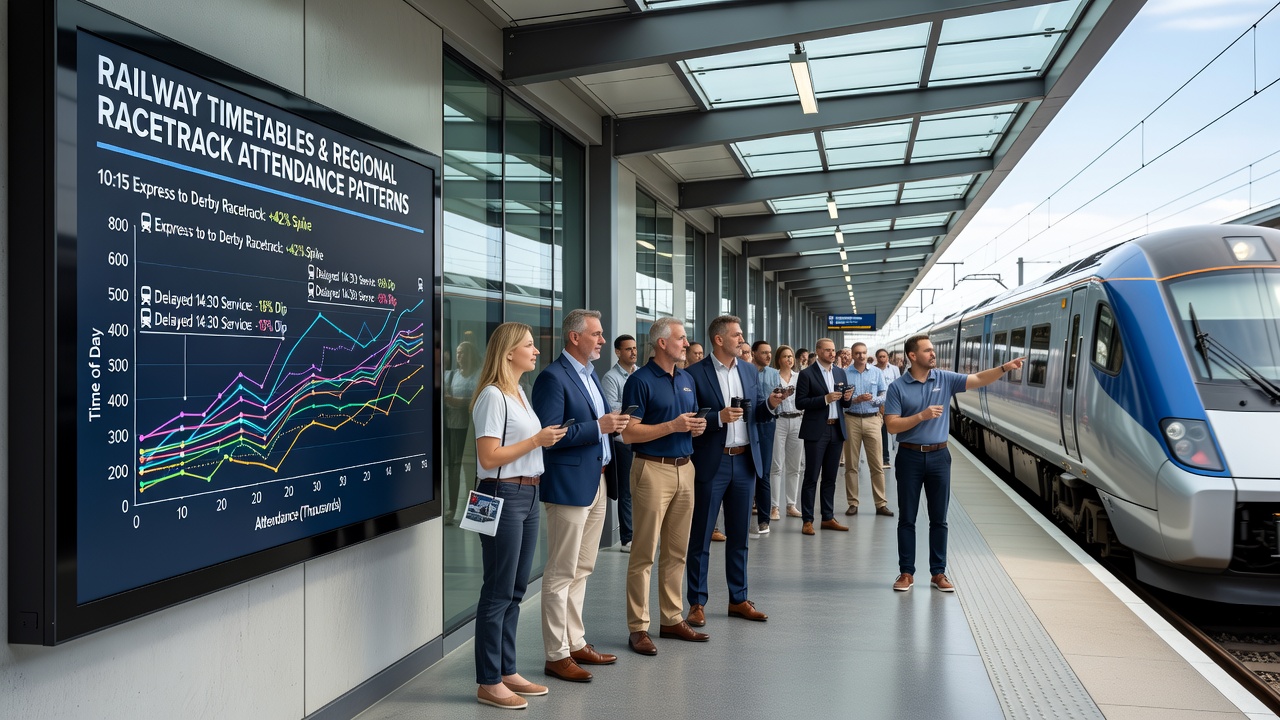
Case examples from smaller venues illustrate the point clearly. A track in rural Pennsylvania adjusted its program start times twice between 2024 and 2026 to match revised rail timetables, resulting in stabilized attendance after earlier drops tied to delayed connections. In western Canada, operators reported parallel outcomes when provincial rail authorities restored a midday service previously suspended for track work.
Factors Beyond Simple Convenience
Additional variables interact with timetable structures. Weather disruptions that affect both rail punctuality and road conditions amplify attendance variability, while integrated ticketing programs offered by certain operators bundle rail passes with race entry, producing measurable upticks in combined usage. Reports from industry associations note that these bundles performed best at venues where rail stations sit within walking distance of grandstands.
Attendance data also reflects demographic differences. Younger visitors and those without personal vehicles show stronger responses to rail availability, whereas older demographics maintain steadier patterns regardless of schedule density. Government transport surveys conducted across multiple jurisdictions confirm that rail-dependent attendees contribute disproportionately to mid-week racing programs, helping offset lower weekend spikes that occur when highway traffic dominates.
Implications for Venue Planning
Venue managers increasingly consult rail authorities during calendar development, aligning feature race dates with anticipated service levels. Coordination efforts documented in 2025 and 2026 produced joint promotions that highlighted direct train routes, yielding attendance gains documented in post-event summaries. These collaborations remain most effective where rail networks maintain reliable frequency rather than relying on sporadic special-event shuttles.
Long-term timetable changes continue to shape regional patterns. Permanent additions of late-night services have supported extended race cards at several locations, while reductions tied to infrastructure projects have prompted temporary attendance shortfalls until road alternatives or shuttle programs filled gaps. Ongoing monitoring by transportation researchers tracks these shifts through combined rail passenger counts and venue entry data, providing operators with forward indicators for crowd management and staffing decisions.
Conclusion
Railway timetables exert documented influence on regional racetrack attendance through direct effects on travel feasibility and indirect effects on visitor planning. Patterns observed across North American, Australian, and Canadian venues demonstrate consistent correlations between service levels and gate figures, with alignment of arrival and departure times producing measurable attendance stability. As operators and transport agencies continue sharing data, these connections inform scheduling choices that support sustained visitor flows at facilities dependent on regional rail access.